Category: Uncategorized

  • Breathe Better, Think Better: How Mindfulness and Buteyko Transform Your Brain

    Breathe Better, Think Better: How Mindfulness and Buteyko Transform Your Brain

    When I first started doing Buteyko Breathing, I had a hard time “just sitting and breathing”. It felt almost like I was wasting my time because I wasn’t doing anything. How wrong I was! Today we’re doing to explore the important things we are doing when we slow down and focus on our breathing.

    Mindfulness practice has gained immense popularity for its ability to calm the mind and enhance well-being. But have you ever wondered what happens in your brain when you practice mindfulness? Add to this the transformative effects of Buteyko breathing, and you have a powerful combination for mental and physical health. Let’s dive into the science behind these practices.

    The Neuroscience of Mindfulness

    Mindfulness, which involves focusing on the present moment without judgment, triggers profound changes in the brain. Here’s what happens:

    1. Increased Prefrontal Cortex Activity

    • The prefrontal cortex, responsible for decision-making, attention, and self-regulation, becomes more active during mindfulness.

    • Regular practice strengthens this area, helping you focus better and manage emotions effectively.

    2. Reduction in Amygdala Reactivity

    • The amygdala, the brain’s fear and stress center, becomes less reactive with mindfulness.

    • This translates to reduced stress and anxiety over time, as the brain learns to respond calmly to challenges.

    3. Enhanced Connectivity in the Default Mode Network (DMN)

    • The DMN is active during mind-wandering and self-referential thinking. Mindfulness reduces its dominance.

    • This shift helps decrease overthinking and rumination, grounding you in the present moment.

    4. Neuroplasticity and Gray Matter Growth

    • Mindfulness increases gray matter density in areas related to learning, memory, and emotion regulation.

    • This neuroplasticity shows that your brain can rewire itself for improved mental health with consistent practice.

    5. Improved Neurotransmitter Balance

    • Mindfulness can boost serotonin and dopamine levels, which improve mood and motivation.

    • Simultaneously, it reduces cortisol, the stress hormone, creating a calmer state of mind.

    6. Slower Brain Waves

    • Mindfulness induces alpha and theta brain waves, which are associated with relaxation and creativity.

    • These brain waves create a sense of calm and mental clarity.

    Buteyko breathing, a technique focused on slow, nasal breathing with reduced volume, complements mindfulness by enhancing its physiological and mental effects. Here’s how:

    1. Activates the Parasympathetic Nervous System

    • Buteyko breathing emphasizes calm, controlled breaths, which stimulate the parasympathetic nervous system (rest-and-digest mode).

    • This reduces stress and supports the relaxation response initiated by mindfulness.

    2. Improves Carbon Dioxide Tolerance

    • The Buteyko method trains your body to tolerate higher levels of carbon dioxide, which improves oxygen delivery to tissues and the brain.

    • Enhanced oxygenation promotes mental clarity and supports neuroplasticity.

    • Carbon dioxide itself calms the nervous system to be less reactive.

    3. Balances Brain Chemistry

    • Slow, nasal breathing associated with Buteyko balances oxygen and carbon dioxide levels in the blood, reducing hyperventilation and calming the mind.

    • This synergy amplifies mindfulness’ effects on neurotransmitter balance, further improving mood and focus.

    4. Promotes Alpha Brain Waves

    • Buteyko breathing, much like mindfulness, induces alpha brain waves, enhancing relaxation and creativity.

    • When combined with mindfulness, it deepens the brain’s state of calm and focus.
    1. Start with Awareness: Begin by observing your breath without trying to change it. This is the foundation of mindfulness.

    2. Incorporate Buteyko Techniques: Practice slow, nasal breathing with a focus on gentle, reduced-volume breaths. Schedule a free consultation with me to learn more about how to practice this method and it’s benefits.

    3. Combine Practices: As you focus on your breath, bring in mindfulness by anchoring your attention to the present moment. You can also incorporate other mindfulness techniques, like noticing what you can see, hear, or feel.

    Conclusion

    Turns out that when we sit and focus on our breathing, we are affecting some powerful changes in our body, brain, and nervous system! Mindfulness reshapes your brain for better focus, emotional regulation, and calm, while Buteyko breathing enhances these effects by optimizing your body’s physiological state. Together, they create a powerful toolkit for improved mental health, reduced stress, and better overall well-being. Start small, be consistent, and let the transformative power of your breath guide you to a more mindful life.

    Ready to Experience Mindfulness in a Whole New Way?

    If you’re looking for a natural, effective way to reduce stress, increase focus, and feel more present in your daily life, the Buteyko Method can help. By practicing mindful breathing, you can calm your mind, boost your energy, and reconnect with your body.

    Take the first step toward a calmer, more centered life. Schedule your free consultation with Korina today and discover how the Buteyko Method can guide you toward greater mindfulness, balance, and well-being.

  • Buteyko Breathing: A Powerful Wellness Practice You Haven’t Tried

    Buteyko Breathing: A Powerful Wellness Practice You Haven’t Tried

    Why How We Breathe Matters

    That was a question that Dr. Konstantin Buteyko asked when he was training to become a doctor in 1950s Russia. (If you don’t like science, feel free to skip to the next subheading.) He noticed that the more ill people were the more they seemed to breathe and the less oxygen they seemed to get. This didn’t seem to make sense until he thought about something called the Bohr Effect.

    Simply put, the Bohr Effect is a scientific principle that an increase in arterial CO2 decreases blood pH, which weakens the chemical bond between hemoglobin and oxygen. This means that it is vital to have enough CO2 in the blood so that hemoglobin can let go of the oxygen molecules and get them to where they need to go – the organs, muscles, and cells.

    Dr. Buteyko theorized that one of the reasons that patients were becoming more ill was actually because of breathing more. He posited that conversely, health could be improved by breathing less. At that time, he was dealing with seriously high blood pressure. He developed exercises to train his body to breathe less and was able to cure himself of his high blood pressure. After finishing medical school, he went on to develop his method and eventually catalogued over 200 different diseases that respond well to the breathing method that was named after him, the Buteyko Breathing method.

    What is Buteyko Breathing?

    So, what does the method actually involve? It involves exercises done several times per day which slowly train the body to breathe less and to reset to a new, healthier level of carbon dioxide. Our bodies love to maintain homeostasis or the status quo, as anyone trying to lose weight has experienced. Additionally, breathing is both a conscious and unconscious function, which originates from part of the brain stem. Because of the autonomic or automatic side of breathing, it’s impossible to just force the body to breathe differently. It takes gentle and consistent practice. A Buteyko Breathing Instructor is trained in assisting students to learn and implement the method, customizing it to their specific needs and health conditions. Over time, this new pattern of breathing becomes automatic, with resulting health improvements.

    After the fall of the Soviet Union, the Buteyko Breathing method was slowly introduced to the Western world. More and more people have tried it and have seen the incredible improvements in their health. What health conditions can it help? Dr. Buteyko chronicled over 200, but a few are:

    Since it also improves athletic performance and general well-being, the Buteyko Breathing method can benefit a wide variety of people. That might sound too good to be true, but the reason that it can help most people is because of what we talked about earlier―the potential to use oxygen more efficiently in the body when proper carbon dioxide levels are restored.

    And what about carbon dioxide? Most people are taught that carbon dioxide is just a garbage gas we breathe out, only good for plant life. But modern science has proven that is just not true. Consider some of the benefits of carbon dioxide:

    •       Vasodilation 1—This is when the blood vessels relax and the internal diameter increases. This means more blood goes to our hearts, brains, and other vital organs. Also, it takes less effort to pump blood through a larger tube, so this leads to less work for the heart, which in turn can lead to a reduced resting heart rate and blood pressure.

    •       Bronchodilation 2—If this term is familiar, that’s because a type of asthma inhalers are called bronchodilators. Dilated or enlarged bronchial tubes are relaxed and easy to breathe through. This is why so many asthmatics have seen dramatic and quick improvements in their asthma symptoms when doing Buteyko.

    •       Nerve Stabilization 3,4 —Carbon dioxide is a powerful natural sedative, in other words it helps relax the brain and nerves so that they are not so excitable. Oxygen itself is also a calming agent. So the combination of normalized levels of CO2 and Oxygen can decrease anxiety, stress, and even seizures.

    •      Improves Immune System 5—In addition to the fact that nasal breathing and breathing less decreases the number of harmful microbes we breathe in, Buteyko breathing promotes calm, measured breathing, which can help the body not to be stuck in the fight or flight mode. This is one reason that Buteyko strengthens the immune system, as being frequently in the fight or flight mode is known to weaken a person’s immune system.

    •       Muscle Relaxation—Since carbon dioxide increases oxygen delivery to the muscles, decreases sympathetic dominance (fight or flight), as well as calms down the nerves, it can cause tense and painful muscles to relax.

    So, are you wondering: “if this method is so great, why haven’t I ever heard of it?” Great question. As Arthur Schopenhauer said: “All truth passes through three stages. First, it is ridiculed. Second, it is violently opposed. Third, it is accepted as being self-evident.” This method is new in the Western world and the idea that how we breathe is important is unfamiliar for many people. This doesn’t make it any less true or potentially life-changing. Why not be brave and learn more, maybe even give it a try?

      Korina, Buteyko Breathing Instructor and Respiratory Therapist

          References:

    1. https://www.normalbreathing.com/co2-vasodilation/

    2. https://www.atsjournals.org/doi/abs/10.1164/ajrccm-conference.2012.185.1_MeetingAbstracts.A2848

    3. Zahra Mohamed Hassan, Nermine Mounir Riad, Fatma Hassan Ahmed, Effect of Buteyko breathing technique on patients with bronchial asthma, Egyptian Journal of Chest Diseases and Tuberculosis, Volume 61, Issue 4, 2012, Pages 235-241, ISSN 0422-7638, https://doi.org/10.1016/j.ejcdt.2012.08.006.

    4. Tolner EA, Hochman DW, Hassinen P, Otáhal J, Gaily E, Haglund MM, Kubová H, Schuchmann S, Vanhatalo S, Kaila K. Five percent CO₂ is a potent, fast-acting inhalation anticonvulsant. Epilepsia. 2011 Jan;52(1):104-14. doi: 10.1111/j.1528-1167.2010.02731.x. Epub 2010 Sep 30. PMID: 20887367; PMCID: PMC3017646. https://www.ncbi.nlm.nih.gov/pmc/articles/PMC6309867/

    5. Bucsek MJ, Giridharan T, MacDonald CR, Hylander BL, Repasky EA. An overview of the role of sympathetic regulation of immune responses in infectious disease and autoimmunity. Int J Hyperthermia. 2018;34(2):135-143. doi:10.1080/02656736.2017.1411621. Five percent CO₂ is a potent, fast-acting inhalation anticonvulsant – PubMed (nih.gov)

  • The Best Sleep Apnea Treatment Without CPAP

    The Best Sleep Apnea Treatment Without CPAP

     30 million Americans suffer from sleep apnea. How can breathing retraining help?

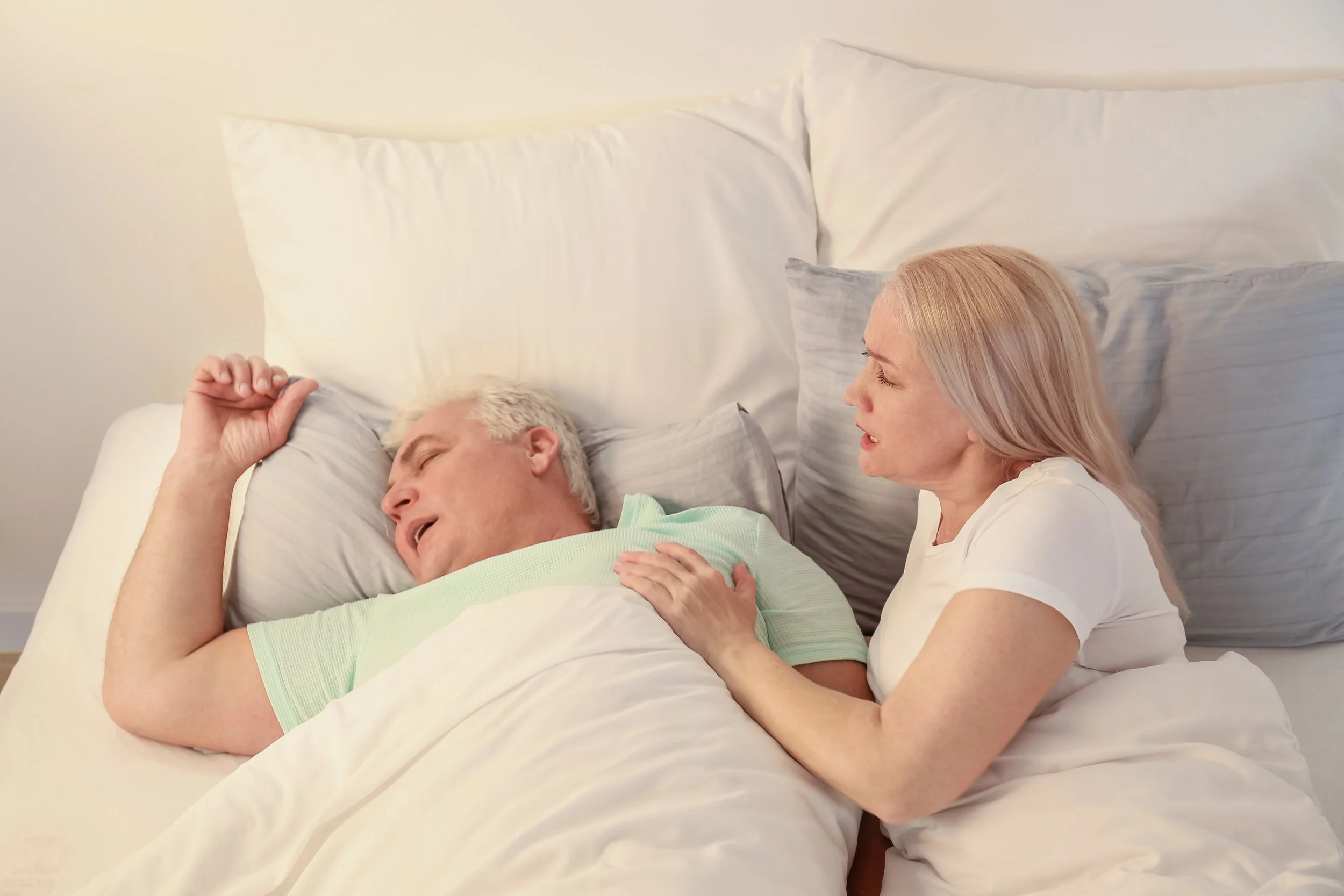
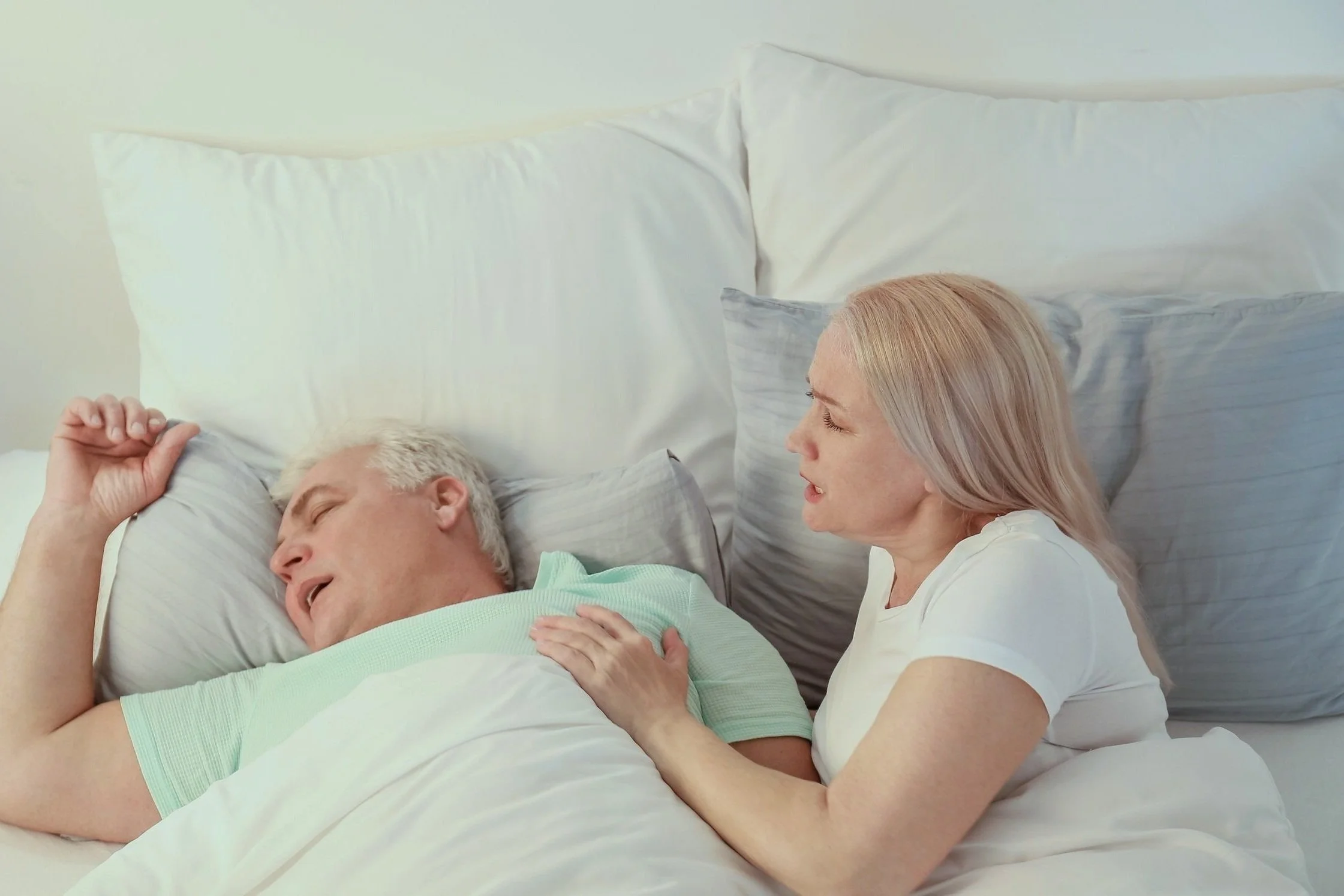
    Imagine a day in the life of Michael, who has sleep apnea. He wakes up from a full night of sleep feeling like he didn’t sleep at all. His mouth is dry and his head is pounding. To wake up, he turns to a sugary double-shot latte for some quick energy. He’s noticed that he’s hungry all the time and doesn’t have any energy to do the things he used to enjoy. He can barely make it through his work day and he keeps himself going with an energy drink after lunch. On the way home, he has trouble not falling asleep behind the wheel. After dinner, he sits down to watch some TV and only realizes he fell asleep when he wakes up just in time for bed. Michael’s wife has trouble sleeping, too, because of his snoring. She’s tried to get him to go for a sleep study, but he replies, “I just can’t wear a mask when I sleep.”

    If you have sleep apnea, you may not need to imagine Michael’s experience. Of course, the symptoms of sleep apnea vary from person to person. Women can experience sleep apnea quite differently than men, which can lead to the diagnosis being missed. In children, sleep apnea can cause hyperactivity and it can be misdiagnosed as an attention deficit disorder. However, sleep apnea can significantly affect quality of life in all age groups.

    Sleep apnea could be called a modern epidemic. The American Academy of Sleep Medicine states that 30 million Americans suffer from sleep apnea1, while a study from 2019 estimated that 1 billion adults worldwide 30-69 have obstructive sleep apnea2. Once sleep apnea is diagnosed, most are prescribed a machine with a mask (CPAP), which can be difficult to tolerate. If you or a loved one has sleep apnea, keep reading to find out how breathing retraining can be life-changing! I’m first going to talk about what sleep apnea is, what symptoms it can cause, and how it is traditionally treated. However, if you’re the kind of person that likes to skip to the end of the book to get to the juicy ending, in this case, how the Buteyko breathing method is the best sleep apnea treatment without CPAP, please feel free to skip to the last subheading “Breathing Exercises for Sleep Apnea”.

    What Is Sleep Apnea?

    The first step in understanding sleep apnea is defining the word apnea. An apnea is when breathing stops temporarily and sleep apnea is when this happens only during sleep. This can cause sudden drops in blood oxygen levels. There are different types of sleep apnea:

    • Obstructive Sleep Apnea (OSA) — This is the most common type of sleep apnea. As the name suggests, the tongue and tissues in the throat relax too much and “obstruct” or block a person’s airway.

    • Central Sleep Apnea (CSA) — In central sleep apnea, it is the brain that doesn’t send the correct signals to the breathing muscles.

    • Complex Sleep Apnea Syndrome — For some people with obstructive sleep apnea, when treatment with CPAP (Continuous Positive Airway Pressure) is started central apneas develop or persist. Central apneas can’t be treated with CPAP, so some people have to be treated with a more advanced sleep apnea treatment (see below).

    Related Disorders:

    • Upper Airway Resistance Syndrome (UARS) — In this syndrome, the soft tissue in the throat relaxes and reduces the size of the airway, causing many of the same symptoms as OSA, but sometimes less severe. The increase in breathing effort due to the reduced airway diameter causes brief awakenings throughout the night and the sufferer may not even be aware of this.

    • Primary Snoring — This very common disorder involves loud snoring without any apnea. Contrary to what some believe, snoring during sleep is not normal. Snoring doesn’t only disrupt one’s bed partner. A 2015 study showed that snorers sleep less, are more tired, and are more at risk for coronary artery disease and depression3.

    All types of sleep apnea and related disorders involve unhealthy and dysfunctional breathing during sleep. Most also involve mouth breathing, which comes with its own problem list4.

    So, what are the symptoms of sleep apnea? Some of the most common ones are in adults are:

    • Snoring

    • Excessive daytime sleepiness

    • Fatigue

    • Restless sleep

    • Unrefreshing sleep

    • Sudden gasping or choking feeling during sleep

    • Morning headaches

    • Morning dry mouth or sore throat

    • Insomnia (difficulty falling or staying asleep)

    • Irritability

    • Difficulty focusing

    • Night sweats

    • Memory issues

    • Depression or anxiety

    • Sexual dysfunction

    • Needing to go to the bathroom frequently at night

    The symptoms can be different in children:

    • Snoring

    • Hyperactivity

    • Attention problems

    • Behavioral issues

    • Poor performance in school

    • Sleepy or sluggish

    • Restless sleep

    • Gasping or choking during sleep

    • Mouth breathing

    • Unusual sleeping positions

    • Bedwetting

    • Night sweats

    That’s quite a list of possible symptoms, isn’t it? Sleep apnea and associated disorders seriously affect both the physical and mental quality of life of the sufferers5. Moreover, untreated sleep apnea strains the cardiovascular system and can lead to other serious problems like high blood pressure, heart problems, and type 2 diabetes. People with sleep apnea are at a higher risk of having a car accident, due to falling asleep at the wheel6. Additionally, leaving sleep apnea untreated can cause other coexisting conditions, like asthma or COPD, to get worse or to flare up. So, how is sleep apnea typically treated*?

    Sleep Apnea Treatment Options

    • CPAP

    The gold standard for treating obstructive sleep apnea is a CPAP, or Continuous Positive Airway Pressure. CPAP is also used to treat UARS. The positive pressure, which feels like a strong wind, is delivered by means of a mask that fits on the nose or over the nose and mouth. The pressure “stents” open the airway, or keeps the airway open, thus preventing apnea. This treatment is very effective if a person can tolerate it. Some of the challenges CPAP users face are intolerance of the pressure (air blowing), or the mask, air leaks, skin redness or pressure sores from the mask, dry nose or mouth, nose bleeds, air swallowing, etc. While a skilled sleep professional can often help with these issues, many patients get discouraged and stop using their CPAP or use it infrequently.

    • BiLevel

    Also commonly known as BiPAP™ (a Philips Respironics tradename), Bilevel therapy uses the same types of masks, but instead of having the same pressure during inhalation and exhalation (breathing in and breathing out), there is a higher pressure during inhalation than during exhalation. BiLevel may be prescribed if a person with OSA is unable to tolerate the CPAP pressure or if someone has CSA or Complex Sleep Apnea. BiLevel users face the some of the same challenges that CPAP users have.

    • Inspire®

    Inspire® is a device which is surgically implanted. It is used for people 18 or older with moderate to severe OSA that cannot tolerate CPAP. It works by stimulating the hypoglossal nerve to keep the airway open.

    •  remedē®

    This is another device that is surgically implanted, but this device treats moderate to severe CSA. This device “stimulates a nerve in the chest (phrenic nerve) to send signals to the large muscle that controls breathing (the diaphragm)”7.

    •  Oral Appliances

    Oral appliances can be an option for people with mild to moderate OSA. These devices are worn in the mouth during sleep and can stop the tongue from blocking the airway and/or move the jaw forward. Although these devices are typically easier to tolerate than CPAP, they can cause bite changes, jaw or tooth pain, or excessive drooling.

     As you can see, there are a number of treatment options for these disorders. While many have found these treatments to be effective and have found symptom relief, none of these traditional treatments for sleep apnea address one of the sources of breathing dysfunction – breathing too much or over-breathing. Only by retraining your breathing during the day can you address this root problem†. This can improve, not only your sleep apnea, but also other conditions that can go hand in hand with sleep apnea, like high blood pressure, fatigue, insomnia, asthma, COPD, diabetes, etc. This breathing retraining is called the Buteyko breathing method. Read on to find out about this method which does not involve any masks, machines, surgeries, or devices!

    Breathing Exercises for Sleep Apnea

    So how does this relate to sleep apnea, if the exercises are done during the day and sleep apnea happens at night? Specifically in sleep apnea and snoring, heavy and fast breathing throughout the day means that pattern will continue at night. At night, all of our muscles are more relaxed, including the muscles of our upper airway, which can make the airway more prone to collapse. When this is combined with heavy breathing, especially through the mouth, the turbulence from this type of breathing can cause snoring. Large volume inhalations also create negative suction pressure, which can cause the airway to collapse and block.

    Therefore, by retraining breathing patterns during the day through regular practice, the natural breathing pattern changes even during sleep. Breathing becomes calm and light and a person learns to breathe through the nose day and night. If you’re interested in more of the science behind how Buteyko breathing helps sleep apnea, you can read this article.  

    But the real question is, will the Buteyko breathing method help me feel better, right? According to a 2010 survey of Buteyko breathing practitioners conducted by the Buteyko Institute of Breathing & Health greater than 95% of clients had a “significant improvement in sleep” after taking a Buteyko breathing course and about 80% were able to stop using their CPAP machine7.

    Often people who use an AutoCPAP machine will start to see their average pressures decrease as they make progress practicing Buteyko or snorers will report that their partner hears them snore less and less. They report other symptom improvements, like better quality of sleep, more energy, less sleepiness or fatigue, fewer headaches, appetite reduction, improved calm, and more.

    The Buteyko breathing method uses an easy test you can do with just a timer. This video will teach you step-by-step how to do the test and interpret your results, so you can see if Buteyko breathing might be for you.

    Have you tried CPAP and found you couldn’t tolerate it? Or have you hesitated even to get tested for sleep apnea, out of fear of having to wear a mask at night? Or maybe you wear your CPAP every night, but you still wake up tired and struggle with other health issues. Then Buteyko breathing could be just the next step you’ve been looking for. Why not schedule a free consultation today? There’s no obligation and it could be your gateway to a life without snoring or sleep apnea!


    * This is an overview of sleep apnea treatment options, not an all-inclusive list.

    † Another root cause of OSA is a narrowed upper airway (the nose, mouth, and throat). However, even in this case, implementing the Buteyko breathing method by breathing slowly and softly can reduce breathing turbulence and improve OSA.

  • #1 Proven Way to Prevent Asthma Symptoms Naturally

    #1 Proven Way to Prevent Asthma Symptoms Naturally

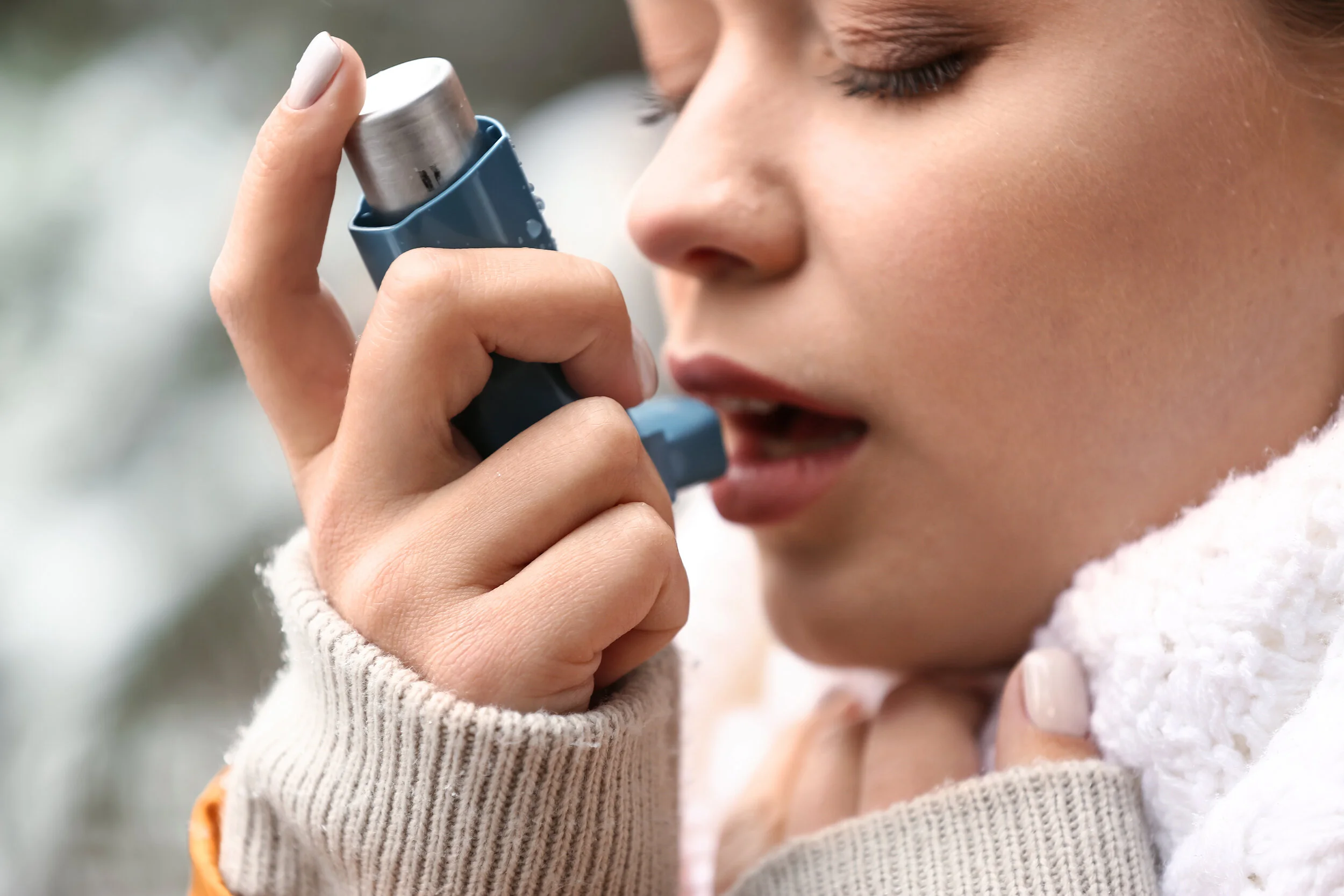
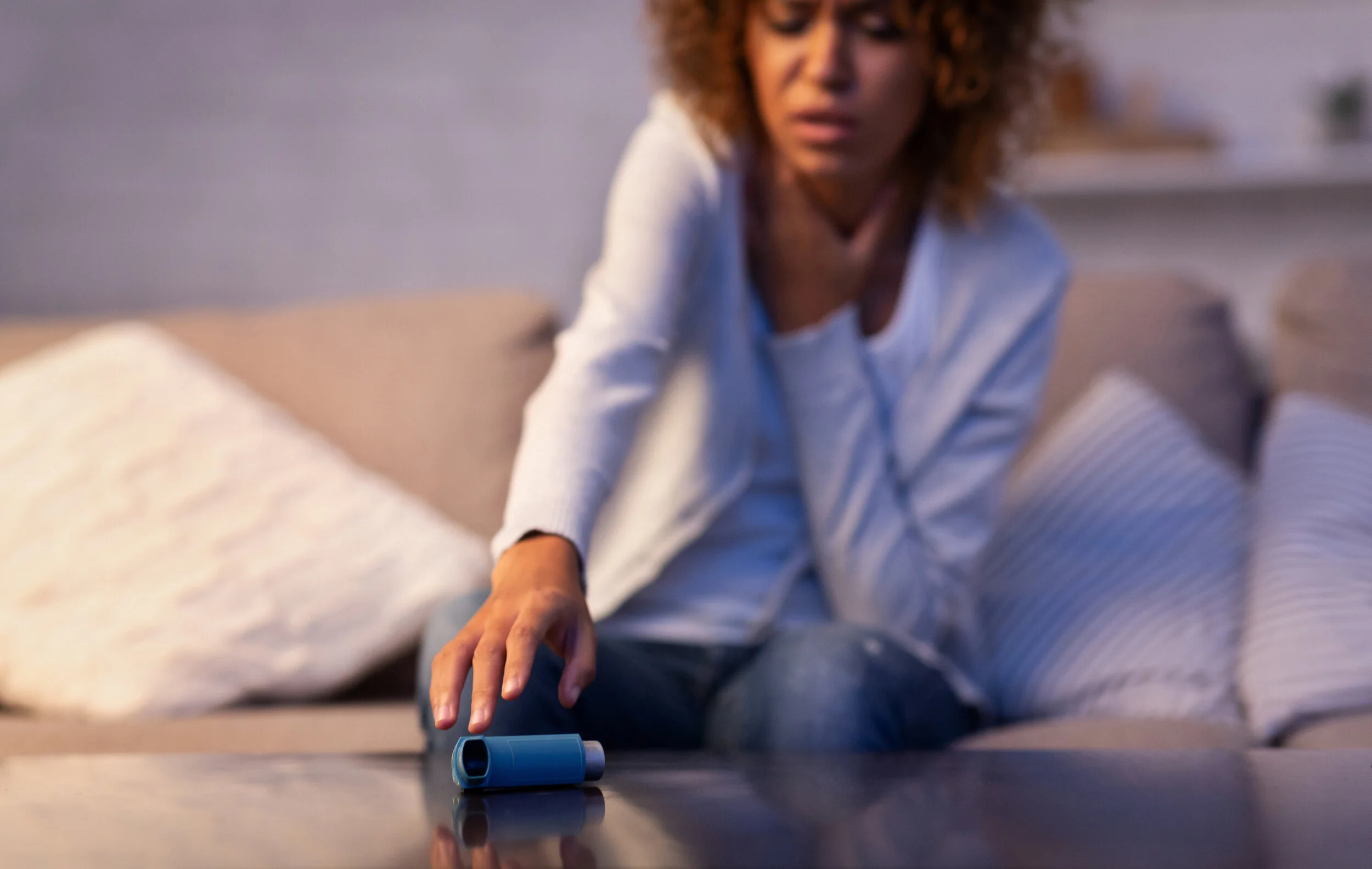
    Have you ever experienced the feeling of not being able to breathe? If you haven’t – be glad. If you have asthma, though, it’s a far too familiar feeling. Sometimes it feels like there is a big brick on your chest, like every breath is a struggle, or like you’re a fish out of water and you just can’t catch your breath. Added to that is the fear, constantly having to carry an inhaler since you don’t know what will set you off and when. The exhaustion – when every breath is a challenge, it just wears you out. Or the stigma – having to take your inhaler or nebulizer in front of others who don’t understand or are freaked out that you can’t catch your breath or stop coughing.

    I’ve had asthma since I was a kid, so I don’t have to guess how this feels. I’ve lived it. That’s why I was initially attracted to becoming a Respiratory Therapist since they were the healthcare heroes that helped me breathe when I was a kid. After becoming a Respiratory Therapist, however, even though I could teach you how to take your inhaler properly, I realized I didn’t have any better idea than before on how to help myself breathe better. That is, until I tried Buteyko Breathing (more to come on that).

    How Asthma Affects Breathing

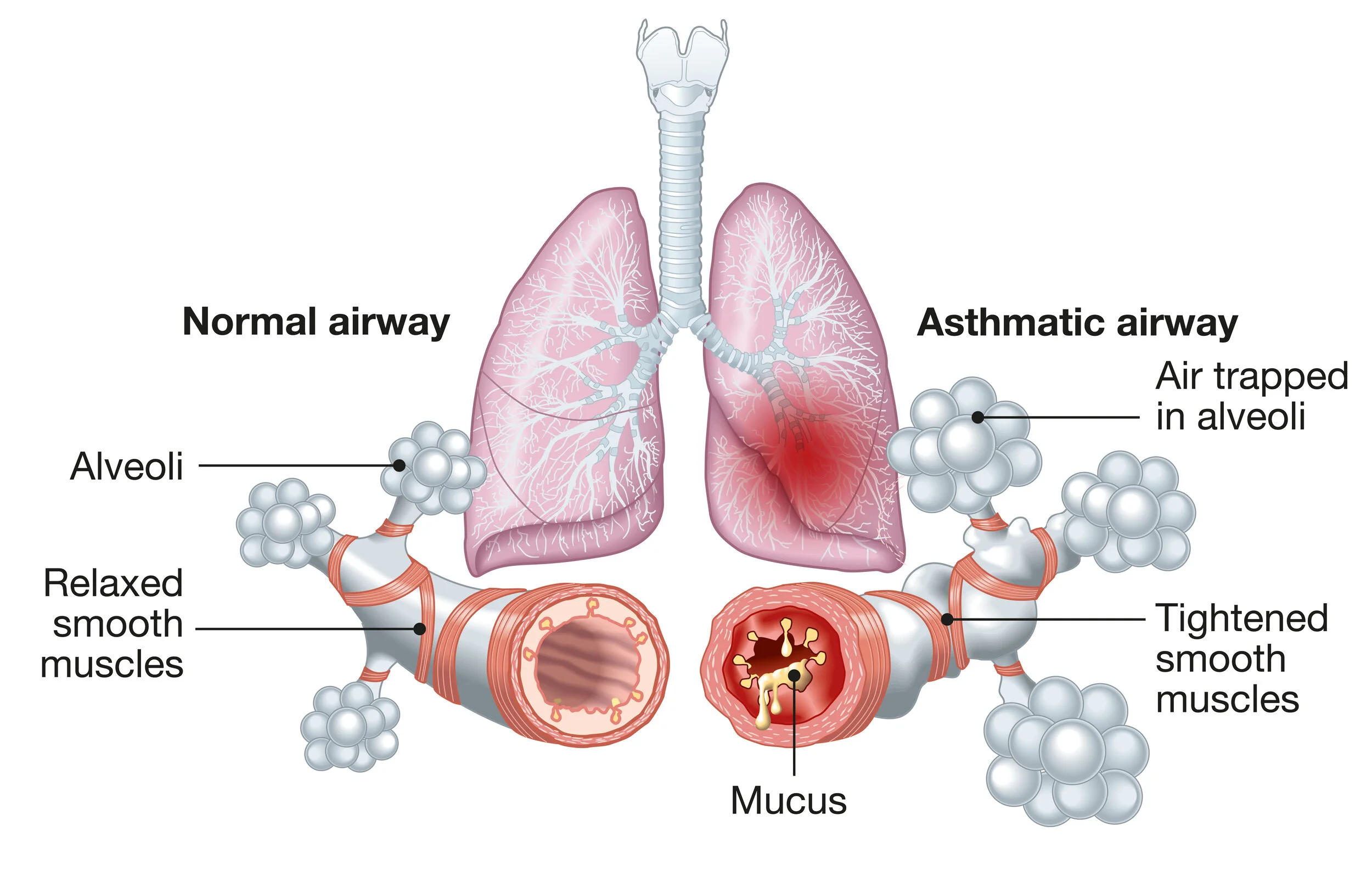
    But first, what exactly is asthma? It is a chronic disease which causes the airways in the lungs, the bronchial tubes, to constrict. The constriction is due to three processes:

    1.       Smooth muscle constriction: asthma causes the smooth muscle around the airways to contract, which reduces the size of the tube. Smooth muscle is also called involuntary muscle and, as indicated by the name, we don’t have conscious control over this type of muscle.

    2.       Airway inflammation: the bronchial tubes become inflamed and swollen, which further narrows them— imagine trying to breathe through a straw that is getting smaller and smaller. Think about the last time you had an injury and how swollen that body part was. That same process of inflammation happens inside the airways in asthma.

    3.       Sticky mucus: irritated and inflamed airways produce sticky mucus, which makes the diameter of the airways even smaller until it is coughed out. This mucus can stimulate coughing, which itself can irritate the already inflamed airways and it’s hard to push the mucus out through the tight bronchial tubes.

    Sounds like a perfect storm, doesn’t it? All this combines to make it hard to get air in and out, which can cause shortness of breath and panic.

    We don’t know exactly what causes asthma or why some people have it. We do know that it often runs in families, so there can be a genetic factor. Asthma symptoms are triggered by certain factors and they can vary from person to person. For instance, asthma can be triggered by exercise, weather changes, respiratory infections, stress, or allergies. You can have from one asthma trigger up to all of them. Asthma commonly begins in childhood, but there is also adult-onset asthma. Asthma severity can range from irritating and unpleasant all the way to life threatening.

    According to the Asthma and Allergy Foundation of America, in America about 25 million people have asthma1. That’s a mind-boggling figure, isn’t it! Not only is uncontrolled asthma potentially dangerous, landing people in the Emergency Room, over time it can cause long term damage, called airway remodeling, which is definitely not fun like remodeling your home!

    So, how is asthma traditionally controlled? The focus is typically on three areas:

    1. Avoiding triggers. Whether your trigger is an allergy or exercise, traditional management of asthma recommends avoiding these triggers. Sometimes this works okay, like if you have a cat allergy you can choose not to have a cat. But it’s challenging to impossible for others. For instance, if you have exercise induced asthma, it’s not a healthy option to avoid exercise.

    2. Reducing inflammation. This is done in two ways, the first with steroid treatment, called corticosteroids. These steroids are typically given by means of an inhaler, but in severe asthma or for an asthma flare up, oral steroids may be prescribed. Side effects can be less severe with inhaled corticosteroids than oral corticosteroids, but they include oral thrush (a yeast infection in the mouth and throat), hoarseness or sore throat, cough, or weight gain2. The side effects of oral steroids are more serious, especially when they are taken for a long period of time, including mood swings, weight gain, high blood pressure, diabetes, osteoporosis, and others.

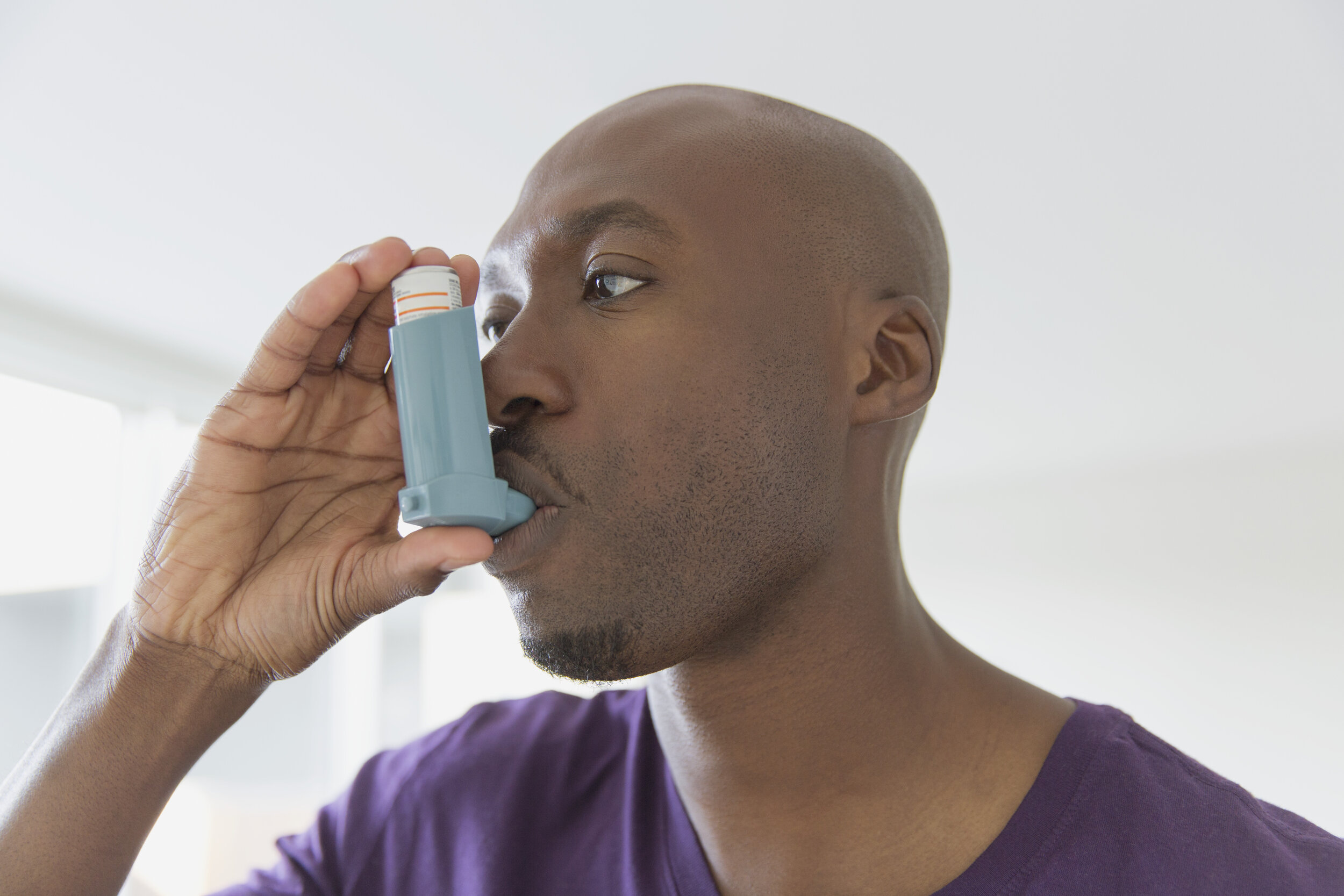
    3. Bronchodilation. Bronchodilators are a class of medications that dilate, or widen, the bronchial tubes. There are both short-acting bronchodilators, like albuterol, and long-acting bronchodilators. The short-acting bronchodilators can quickly stop an asthma attack, but the effects wear off quickly, within hours. They are often called rescue inhalers, as they can quickly rescue a person from an asthma attack. Long-acting bronchodilators can work for 12-24 hours, depending on the medication. These drugs are not without side effects either, including increased heart rate, tremors, nausea, dry mouth, and headache. They can make you feel like you had way too much coffee, especially the short acting version. Some controller inhalers combine both an inhaled steroid and a long-acting bronchodilator.

    When Asthma Inhalers Don’t Work

    Despite these advanced medical treatments, asthmatics typically are given an asthma plan. This is a written plan from their doctor on what to do when their asthma gets worse.

    Asthma action plans are great in that they help asthmatics know when to escalate their treatment and when to get help. But they showcase a glaring flaw in the current treatment of asthma— asthma action plans assume that there are times when the current treatment is not fully going to work and your asthma will get worse.

    So, if you have asthma, it is natural to explore ways to prevent these symptoms from happening in the first place. I’ve been there. As I mentioned, I’ve had asthma since I was a kid and was disabled by it in adolescence. It got better in my teens, but then reared its ugly head again in my mid 20’s. By the time I was in my late 20’s, I was spending time in the Emergency Room and hospital again. I took my long-acting bronchodilators and corticosteroids faithfully, but my asthma just kept getting worse. I felt hopeless and panicked. I then tried the natural route, energy medicine, herbs, salt inhalation therapy, and homeopathy. I got a little better, but I was still short of breath much of the time and especially when I exercised. Then my medical doctor suggested trying Buteyko breathing and I haven’t had to take any asthma inhaler even once since I started practicing it. Read my story.

    Don’t get me wrong – asthma medications save lives every day. They have saved my life in the past, so I’m not criticizing them at all. It’s just that they don’t address the root problem, which for many is breathing too much, or over-breathing.

    Natural Asthma Relief

    The theory behind the Buteyko (Boo-tay’-koh) breathing method is that breathing too much, or over-breathing, can cause or worsen a number of health problems, including asthma. At first this may seem odd but if you think about it, what happens if we do anything too much, i.e., drink too much, eat too much, exercise too much, etc.? Why would breathing too much be any different?

    When we over-breathe, we lose too much of the gas carbon dioxide. Many people think of carbon dioxide as a waste gas that we breathe out, basically just garbage. That couldn’t be farther from the truth. Our bodies use carbon dioxide for a number of important processes, including unloading oxygen from our red blood cells to our tissues and organs.

    Additionally, carbon dioxide acts as a bronchodilator in the airways! Remember we talked about medications that are bronchodilators, that increase the size of our airways? Well, having the proper amount of carbon dioxide in the lungs serves the same purpose, but without any side effects! This effect has been demonstrated in a number of animal studies3. And asthmatics who practice Buteyko breathing can feel the effect for themselves. Learn more about the Buteyko method.

    Does Buteyko Breathing cure asthma? No, if you resume breathing too much the asthma symptoms come back. However, with continued practice it does control asthma without drugs! People who practice Buteyko start to feel more control over their breathing. Then, asthma symptoms like wheezing, shortness of breath, and cough start to become less frequent and less severe, eventually leading to needing less medication (of course, any medication changes should be done under the supervision of a doctor).

    What is involved with the method? It is a non-invasive method that incorporates breathing exercises that retrain your body to stop over-breathing. It is advisable to take an instructor-led Buteyko course, as asthmatics typically find it much easier to learn the method comfortably under the guidance of an experienced Buteyko instructor. Since the Buteyko method helped me so much, it seemed the natural next step to become an instructor, especially with my background as a Registered Respiratory Therapist. I teach the Advanced Buteyko Method, which utilizes a convenient app to do and track the breathing exercise sessions and ongoing progress. The lessons are conducted virtually from the convenience of your own home.

    How can you know if you can benefit from the Buteyko breathing method? The Buteyko breathing method incorporates an easy breathing test you can do yourself. Learn how to do it and interpret your results by watching this video.

    You can also learn more about the Buteyko method and how it can help you by scheduling a free consultation with me. During this free half-hour virtual session, you’ll meet me and have an opportunity to ask me any questions you have about the method or the course.

    Why wait another day to start learning how to breathe better and say goodbye to your asthma symptoms?